What Is Steel Natural Gas Pipe? Definition, Uses and Advantages is a key topic for engineers, installers and investors who want to design safe and efficient gas systems that will operate for decades. When you understand what steel natural gas pipe is, how it is manufactured, where it can be used and which advantages it offers compared to alternative materials, you are able to make better technical and commercial decisions for every project.
What Is Steel Natural Gas Pipe?
Steel natural gas pipe is a high-strength pipeline produced from carbon steel or alloyed steel specifically for carrying natural gas under pressure. These pipes are manufactured in various diameters, wall thicknesses and grades according to international and local standards. The purpose is to ensure that the pipe maintains its mechanical integrity, tightness and dimensional stability under defined operating conditions, such as pressure, temperature and external loads.
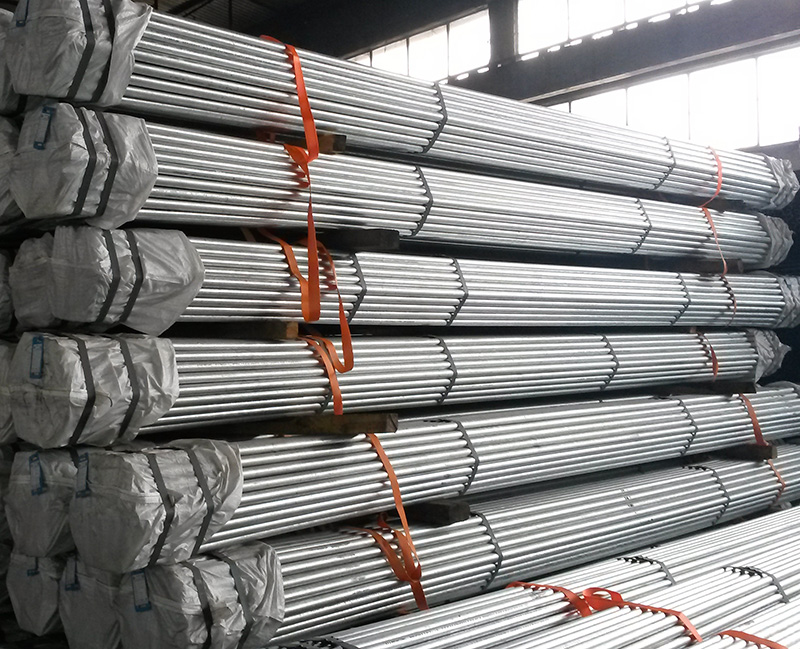
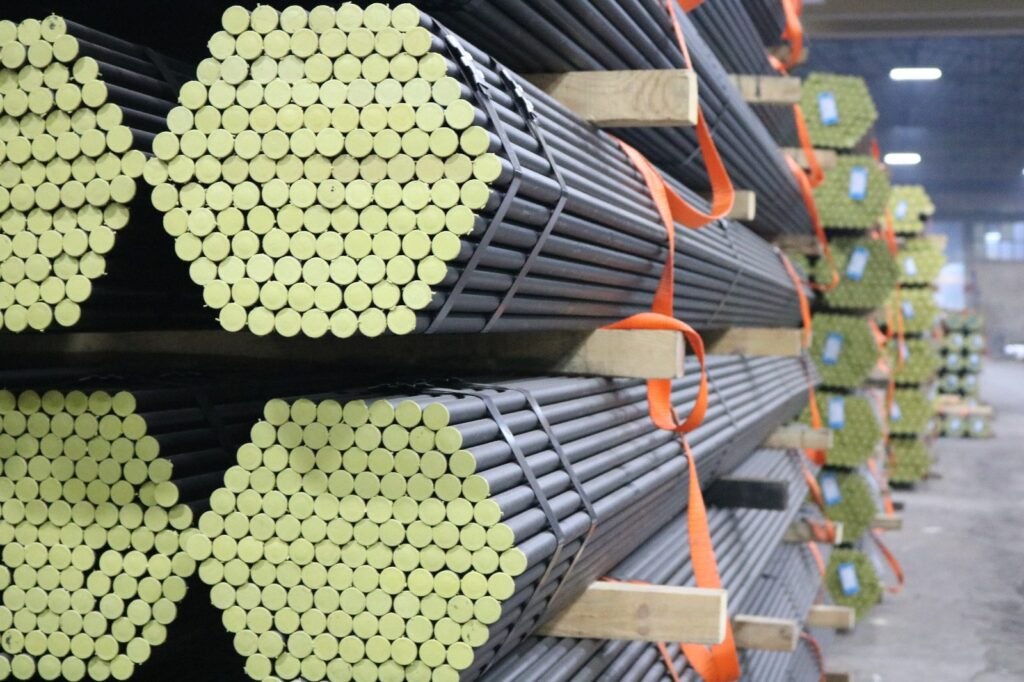
In most projects, steel natural gas pipe is supplied in straight lengths, bevelled for welding or threaded for mechanical connections. Depending on the application, they may also be coated, galvanized or protected with additional systems to improve corrosion resistance. Because of its structural strength, steel is chosen in situations where safety margins must be high and operating pressures are significant.
How Is Steel Natural Gas Pipe Manufactured?
Steel natural gas pipe is manufactured through carefully controlled processes that start with the selection of the raw material. Steel billets or coils are heated, formed and shaped into pipes using seamless or welded production methods. In seamless production, the pipe is created from a solid billet that is pierced and stretched, while in welded production, steel plate or coil is rolled and welded along its length.
After forming, the pipe is heat-treated, straightened and cut to length. Non-destructive tests, such as ultrasonic, radiographic or hydrostatic testing, are carried out to verify wall thickness, weld integrity and internal soundness. Dimensional checks confirm that the outside diameter, wall thickness and ovality are within tolerances. Only after all these steps does the product qualify as steel natural gas pipe suitable for use in pressurised gas systems.
Where Is Steel Natural Gas Pipe Used?
Steel natural gas pipe is used across a wide range of applications. In urban distribution networks, it forms the backbone of medium and high-pressure pipelines that bring gas from main stations to districts and industrial zones. Inside industrial plants, steel pipe carries natural gas to burners, furnaces, boilers and process equipment, often under demanding thermal and mechanical conditions.
In the building sector, steel natural gas pipe is commonly used in risers, basement lines, boiler rooms and rooftop installations, especially where regulations require metallic piping. It is also the preferred choice for long-distance transmission lines exposed to external forces such as traffic loads, ground movement or temperature fluctuations. Wherever high mechanical strength, fire resistance and long service life are needed, steel is often the first option considered.
Main Advantages of Steel Natural Gas Pipe
The advantages of steel natural gas pipe are closely linked to the properties of steel itself. First, steel offers excellent tensile strength and yield strength, allowing the pipe to withstand high internal pressures without deforming or bursting. This is critical in systems where safety factors must be conservative and operational reliability is non-negotiable.
Second, steel natural gas pipe provides superior fire performance. Unlike many plastic materials, steel does not melt or burn under typical fire exposure scenarios. It retains much of its strength for longer periods, providing valuable time for emergency interventions and system shutdowns. For this reason, many regulations require steel piping in specific fire-risk areas, such as boiler rooms or escape routes.
Third, steel natural gas pipe has a long theoretical service life when designed and protected correctly. With appropriate coatings, cathodic protection and maintenance, steel pipelines can operate for decades without significant degradation. This long-term stability translates into lower lifetime costs, even if initial material prices may be higher than some alternatives.
Comparison With Alternative Piping Materials
When discussing what is steel natural gas pipe, definition, uses and advantages are easier to appreciate if you compare steel with other materials like polyethylene (PE) or copper. PE pipes are widely used in low and medium-pressure underground distribution systems because they are flexible, lightweight and resistant to many types of corrosion. However, their pressure and temperature limits, as well as fire behaviour, may restrict their use in certain locations.
Copper pipes, on the other hand, are more common in small-scale internal installations, particularly in some regions and building types. While copper offers good corrosion resistance and is easy to work with, it is generally more expensive per metre than steel and may not be suitable for high-pressure or large-diameter applications. Steel natural gas pipe fills the gap where high mechanical strength, larger diameters and robust fire performance are required.
Regulations, Standards and Safety
Every steel natural gas pipe installation must follow applicable regulations, codes and standards to ensure safety. These documents specify material grades, test requirements, design pressures, minimum wall thicknesses and allowable installation methods. Engineers and installers are responsible for checking that the selected steel natural gas pipe complies with all relevant documents and that the entire system, including fittings and valves, is compatible.
Inspection and documentation are also crucial. Material certificates, test reports and installation records provide traceability and demonstrate that the system meets legal and technical expectations. Regular inspections during operation, including leak tests, corrosion checks and valve function tests, help maintain the long-term safety of the installation.
When Is Steel Natural Gas Pipe the Best Choice?
Steel natural gas pipe is often the best choice when pressure levels are high, environmental conditions are demanding, or regulations require metallic and fire-resistant piping. Industrial plants, central boiler rooms, long transmission lines and critical infrastructure projects are typical examples. In these contexts, the combination of mechanical strength, durability and wide availability of fittings and accessories makes steel a logical and proven solution.
What Is Steel Natural Gas Pipe? Definition, Uses and Advantages, when viewed from a practical perspective, shows that steel remains a cornerstone of modern gas infrastructure. By choosing the right steel natural gas pipe, applying standards correctly and performing regular maintenance, you can build gas systems that deliver safe and stable performance throughout their service life.