

Steel Natural Gas Pipe Technical Specifications
Steel natural gas pipe technical specifications are critical for engineers, installers and project owners who want safe, compliant and long-lasting gas installations. When you clearly understand the material properties, dimensions, pressure ratings and testing requirements of steel natural gas pipe, you can design and build systems that meet both regulatory and performance expectations.
Material Grades and Standards
Steel natural gas pipe is manufactured from carbon steel or low-alloy steel grades specifically selected for pressure piping applications. The exact grade depends on the design code and local regulations, but all pipes must provide sufficient strength, toughness and weldability. Material composition is carefully controlled to achieve predictable mechanical properties and to ensure compatibility with welding procedures.
Each steel natural gas pipe must comply with relevant international and national standards. These standards define chemical composition, mechanical properties, dimensional tolerances and test methods. Using standardized pipes ensures that design calculations are valid and that systems can be inspected and approved by authorities with confidence.
Dimensions, Diameters and Wall Thickness
One of the key technical specifications of steel natural gas pipe is its dimensional range. Pipes are available in multiple outside diameters, typically following nominal pipe size series. For each diameter, several wall thickness options exist to accommodate different pressure levels and design requirements.
Wall thickness is not chosen arbitrarily. It is calculated based on design pressure, material strength, safety factors and the applicable design code. The goal is to use a steel natural gas pipe that can safely withstand the maximum operating pressure plus any transient loads without exceeding the allowable stress limits. Dimensional tolerances for outside diameter, wall thickness and ovality are clearly defined so that fittings and joints can be assembled correctly.
Pressure Ratings and Temperature Range
Pressure rating is another core part of steel natural gas pipe technical specifications. The maximum allowable operating pressure depends on pipe diameter, wall thickness, material grade and design temperature. Engineers use these parameters to determine the permissible working pressure for each section of the pipeline.
Temperature range also matters. Steel natural gas pipe must maintain adequate strength and toughness at the lowest expected ambient temperature and at any elevated temperatures in the system. In cold climates or outdoor installations, low-temperature toughness may be a critical selection parameter to prevent brittle fracture. Design documents typically specify both maximum and minimum temperatures for safe operation.
Surface Condition, Coatings and Protection
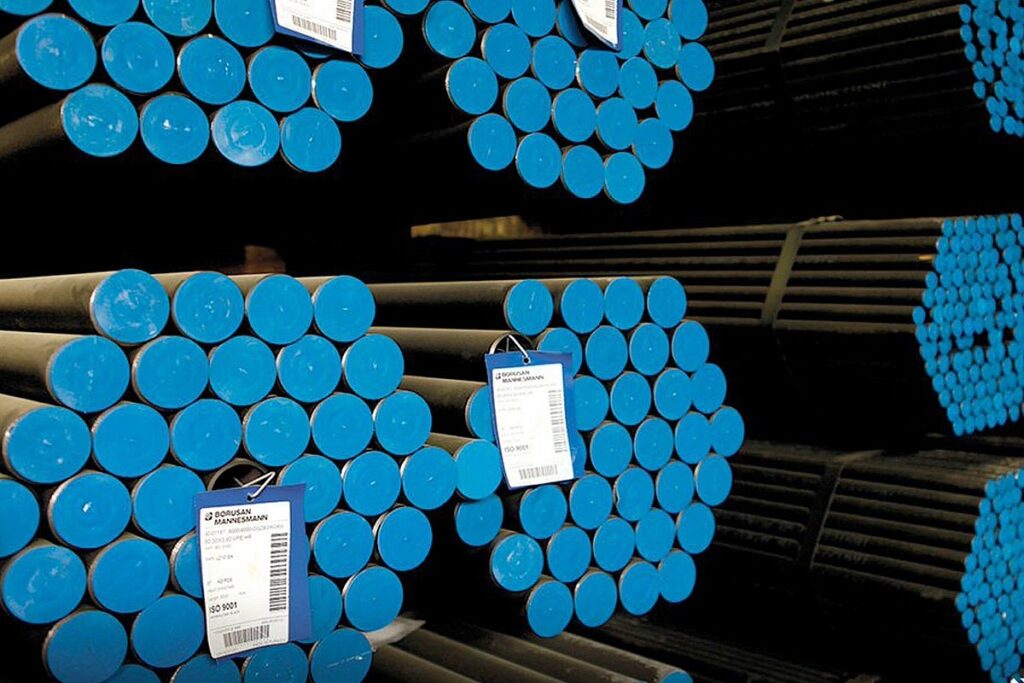
The external and internal surfaces of steel natural gas pipe are part of its technical specification. Pipes may be supplied in black (uncoated) condition, galvanized, epoxy-coated or wrapped with protective materials depending on the installation environment. The purpose of these treatments is to slow down corrosion and extend the service life of the pipeline.
For underground or submerged installations, additional protective systems such as polyethylene coatings or tape wrapping may be required. In aggressive environments, cathodic protection can be applied together with coatings to provide a comprehensive corrosion control strategy. The selected protection system must be compatible with the base steel and with any jointing methods used in the steel natural gas pipe system.
End Preparation and Jointing Options
Steel natural gas pipe technical specifications also include end preparation details. Pipes can be supplied with plain ends, bevelled ends for welding or threaded ends for mechanical connections. Bevel geometry, thread type and tolerances are defined to ensure tight and reliable joints when the pipes are assembled on site.
In welded systems, bevelled ends support full-penetration welds that provide high strength and leak-tightness. In threaded or flanged systems, proper machining and finishing of the pipe ends are essential to avoid misalignment, stress concentration and potential leakage paths. All jointing options must be approved for use in natural gas service at the specified pressure level.
Testing, Inspection and Certification
Every steel natural gas pipe is subjected to a series of tests and inspections before leaving the mill. These may include hydrostatic pressure tests, non-destructive tests (such as ultrasonic or radiographic inspection), dimensional checks and surface examinations. The purpose is to detect defects like laminations, cracks, inclusions or unacceptable deviations in thickness and diameter.
Test results are recorded and compiled into material certificates that accompany the steel natural gas pipe. These certificates list the heat number, chemical composition, mechanical properties, manufacturing process and test outcomes. For designers, inspectors and operators, this documentation is a key part of verifying that each pipe meets the required technical specifications for safe natural gas service.
