

Steel Natural Gas Pipe Usage Areas
Steel natural gas pipe usage areas cover a wide spectrum of residential, commercial and industrial applications where safety, durability and regulatory compliance are essential. By understanding where steel natural gas pipe can be used most effectively, engineers and project owners can choose solutions that offer long-term reliability and stable performance under demanding conditions.
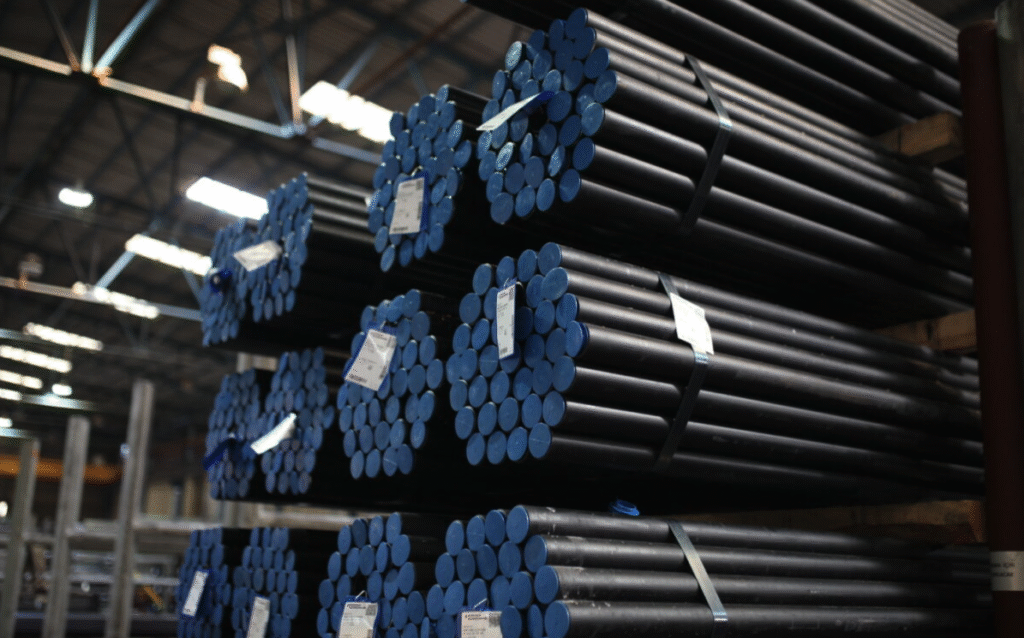
Urban and Regional Gas Distribution Networks
One of the most important usage areas of steel natural gas pipe is in urban and regional gas distribution networks. Medium and high-pressure pipelines that transport gas from main stations to city districts or industrial zones often rely on steel because of its high mechanical strength and proven track record.
In these systems, steel natural gas pipe operates under varying pressures and environmental conditions. It must withstand external loads from traffic, soil movement and temperature changes while maintaining leak-tightness. Because gas distribution networks are considered critical infrastructure, the robustness and fire resistance of steel make it a natural choice for many operators and regulators.
Industrial Facilities and Process Lines
Industrial plants represent another major usage area for steel natural gas pipe. Factories, refineries, chemical plants and metal processing facilities use natural gas as a fuel or process input in burners, furnaces, boilers and combined heat and power units. These environments often involve high temperatures, vibration and complex routing, which demand strong and stable piping.
Steel natural gas pipe in industrial facilities is typically designed for higher pressures and may include special fittings, shut-off valves and safety devices. The pipe system must integrate seamlessly with other process piping, structural supports and safety systems. Using steel ensures that the gas piping can handle both routine operating loads and occasional upsets without loss of integrity.
Commercial Buildings and Complexes
Commercial buildings such as shopping centres, office towers, hotels, hospitals and airports also form a significant group of steel natural gas pipe usage areas. These facilities usually host central boiler rooms, rooftop units or mechanical floors where natural gas is used for heating, hot water production or air handling systems.
In commercial projects, steel natural gas pipe is often required in risers, main distribution lines and plant rooms due to fire safety regulations. The non-combustible nature of steel and its ability to retain strength at elevated temperatures support safe evacuation and emergency response strategies. Properly designed and installed steel piping helps building owners meet strict safety codes and operational reliability targets.
Residential Buildings and Housing Projects
In multi-storey residential buildings and large housing projects, steel natural gas pipe is frequently used in main risers, basement corridors and shared boiler rooms. While smaller branches to individual apartments may use alternative materials depending on local rules, the primary distribution lines are often metallic for safety and regulatory reasons.
Steel natural gas pipe in residential settings must be carefully routed to avoid interference with other services, to remain accessible for inspection and to comply with fire compartmentation requirements. Its use provides a durable backbone for the entire building’s gas supply, supporting stable operation of boilers, cookers and other gas appliances.
Power Plants and Energy Infrastructure
Power generation and energy infrastructure constitute high-demand usage areas for steel natural gas pipe. Gas-fired power plants, combined-cycle units and combined heat and power (CHP) systems rely on large-diameter steel pipelines to supply gas to turbines and large industrial burners. These pipelines operate at elevated pressures and are often installed above ground on pipe racks or in buried corridors.
Because any interruption in gas supply can affect energy production, the reliability of steel natural gas pipe is essential in this sector. The combination of strength, weldability and compatibility with advanced monitoring and protection systems makes steel a preferred choice for critical energy installations.
Special Applications and Challenging Environments
Beyond typical building and industrial projects, steel natural gas pipe usage areas include special applications such as tunnels, bridges, offshore platforms, rail depots and large logistic hubs. In these challenging environments, the pipeline may be exposed to dynamic loads, vibration, corrosive atmospheres or restricted access conditions.
Steel natural gas pipe can be customised with specific coatings, supports and protective systems to handle these unique demands. For example, in coastal regions, additional corrosion protection measures are applied, while in seismic zones, flexible joints and special support designs may be used. These adaptability options allow steel pipe to function reliably in environments where other materials might not be suitable.
