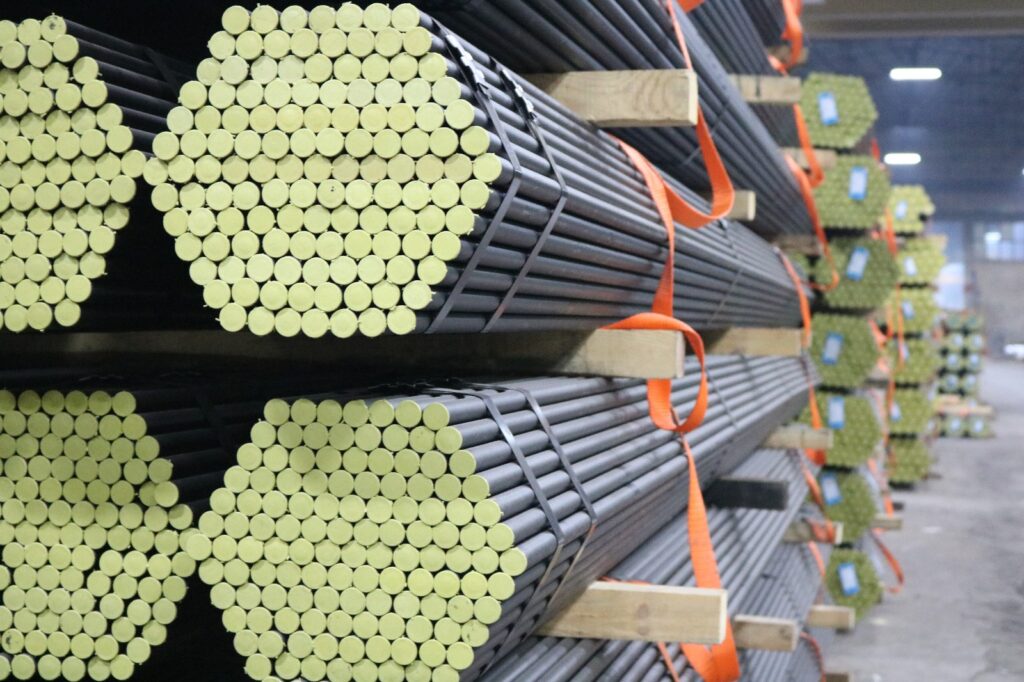
Steel Natural Gas Pipe Supplier in Germany provides premium-grade pipeline solutions designed to meet the rigorous safety and performance standards of the European energy sector. High-pressure gas transmission networks require robust materials that can withstand environmental stress, high operating pressures, and corrosive atmospheres. Consequently, sourcing materials from an authorized distributor guarantees safety and uninterrupted performance.
| Aspect | Specification | Typical Practice | Tip |
|---|---|---|---|
| Material Grade | API 5L, EN 10208-2 | L360NB, L415NB or X52 to X70 | Verify the specific grade matches design pressures. |
| Anti-Corrosion | 3LPE Coating (DIN 30670) | External multi-layer polyethylene | Ensure coating thickness meets soil requirements. |
| Testing Protocols | NDT (Non-Destructive) | Ultrasonic, Hydrostatic, Radiographic | Request full mill test certificates before dispatch. |
| Connection Type | Butt-Welded Joints | Beveled ends for seamless welding | Use qualified welding procedures on-site. |
What Is A High-pressure Steel Gas Pipe?
A high-pressure steel gas pipe is a specialized conduit designed to transport natural gas safely over long distances. Unlike standard utility tubes, industrial operators manufacture these pipelines from high-strength carbon steel. Partnering with a reliable Steel Natural Gas Pipe Supplier in Germany ensures that your infrastructure project receives components engineered for extreme tensile stress and pressure fluctuations.
Moreover, these systems undergo detailed manufacturing processes. Seamless and welded pipes are both utilized depending on the dimensional requirements of the project. Seamless variants provide high uniform strength, whereas welded tubes offer highly cost-effective solutions for large-diameter distribution lines.
Where Are Industrial Steel Gas Pipes Used?
These robust pipelines serve as the structural backbone for regional, national, and international energy distribution. Industrial sectors rely heavily on continuous fuel delivery to power heavy machinery, power plants, and chemical manufacturing facilities. Therefore, selecting high-quality materials prevents costly downtime and environmental hazards.
Furthermore, municipal networks utilize these pipelines to deliver clean heating energy to commercial and residential districts. Understanding the primary steel natural gas pipe usage areas helps pipeline engineers select the correct wall thickness, protective coatings, and connection configurations for the safety of the surrounding infrastructure.

Manufacturing Standards For European Gas Pipelines
Quality assurance is paramount in European infrastructure projects. Consequently, steel pipes must comply with stringent regulations such as EN 10208 and API 5L. These standards dictate chemical composition, mechanical properties, and dimensional tolerances. They ensure that every pipeline can withstand physical and geological stresses over time.
Choosing an experienced Steel Natural Gas Pipe Supplier in Germany guarantees that every pipeline component holds appropriate CE markings and TÜV certifications. This compliance mitigates operational risks during the licensing phase. It also reassures regulatory bodies of the long-term safety of the network.
Key Properties Of Pipeline Steel Materials
Industrial gas pipes are typically fabricated from advanced carbon steel grades. These materials offer exceptional tensile strength, outstanding ductility, and superb weldability. As a result, the lines are both easy to install and resilient to changing ground conditions.
- High Yield Strength: Resists internal pressure spikes without permanent deformation.
- Impact Toughness: Prevents brittle fractures even in freezing winter temperatures.
- Corrosion Resistance: Enhanced by external protective coatings like three-layer polyethylene (3LPE).
Quality Control Processes For German Gas Pipelines
To maintain safety, every single pipe must undergo rigorous non-destructive testing (NDT). Manufacturers employ ultrasonic testing, radiographic inspection, and hydrostatic pressure testing. These measures identify microscopic cracks or wall thinning before the products leave the factory floor.
A professional Steel Natural Gas Pipe Supplier in Germany implements these inspections to detect internal flaws. Consequently, project managers can trust that the delivered products will perform reliably under constant pressure. Detailed documentation also simplifies future maintenance and regulatory audits.
Essential Steps In Pipeline Installation And Jointing
Successful installation relies on precise welding and jointing techniques. Pipeline segments are typically joined using automated orbital welding or manual arc welding by certified technicians. This meticulous process ensures leak-free joints capable of withstanding severe conditions.
Before burying the lines, engineers apply specialized heat-shrinkable sleeves to protect the welded joints from soil moisture. Finally, these integrated networks integrate seamlessly with wider pipeline transport networks to ensure efficient energy distribution across borders.
Why Choose Us?
At Steel Natural Gas Pipe, we deliver unmatched engineering expertise and high-performance piping solutions tailored to your infrastructure needs. As a leading Steel Natural Gas Pipe Supplier in Germany, we prioritize quality compliance, rapid logistics, and comprehensive technical support. We ensure that our materials exceed European safety standards, providing you with reliable energy transmission conduits designed for decades of trouble-free operation.
Get Information And Quote Now
Are you planning a municipal utility expansion or an industrial energy pipeline project? Contact our engineering team today to discuss your technical specifications, volume requirements, and delivery schedules. We provide detailed, competitive technical consultations and commercial proposals tailored to your project. Reach out to our team now to secure premium pipeline materials for your next installation.