Steel Natural Gas Pipe Installation Guide for Safe Gas Systems is essential for engineers, installers and project owners who want to build reliable, compliant and long-lasting gas infrastructure. Correct installation is just as important as choosing the right material; even the best steel natural gas pipe cannot perform safely if it is designed or installed incorrectly.
Planning the Steel Natural Gas Pipe System
The first step in any steel natural gas pipe installation is thorough planning. This includes defining gas consumption, operating pressure, diversity factors, pipe routing and the location of valves and safety devices. At this stage, the designer must also check applicable regulations and standards to ensure that the project concept complies with all legal requirements.
During planning, it is important to create a clear schematic and isometric drawings of the steel natural gas pipe system. These drawings show pipe diameters, slopes, supports and connection details. A well-prepared design reduces the risk of on-site improvisation, which can lead to mistakes, delays and additional costs.
Selecting Materials and Components
Material selection is a critical part of the Steel Natural Gas Pipe Installation Guide for Safe Gas Systems. The engineer must choose pipe grades, wall thicknesses, fittings, valves and sealing materials that are compatible with each other and suitable for the design pressure and temperature. All components should be certified for natural gas service and sourced from reliable manufacturers.
In many cases, the use of mixed materials in one system is restricted or regulated. For example, transitions between steel and plastic pipes may require special fittings and clear identification. Gaskets and sealing compounds must be resistant to natural gas and aging. Careful component selection supports the long-term integrity of the installation.
Site Preparation and Pipe Handling
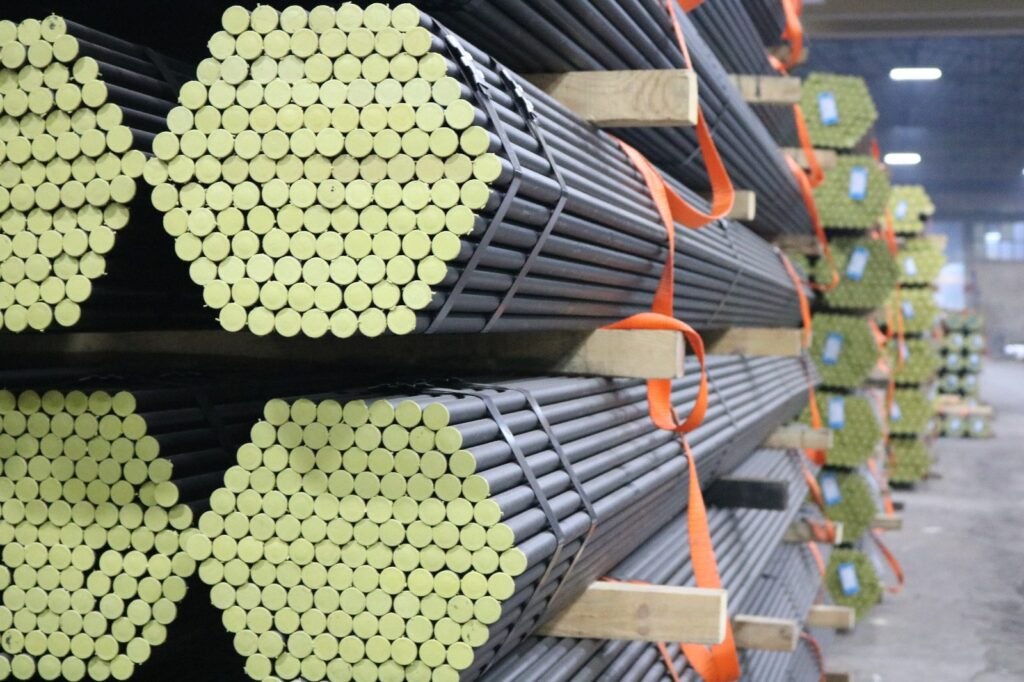
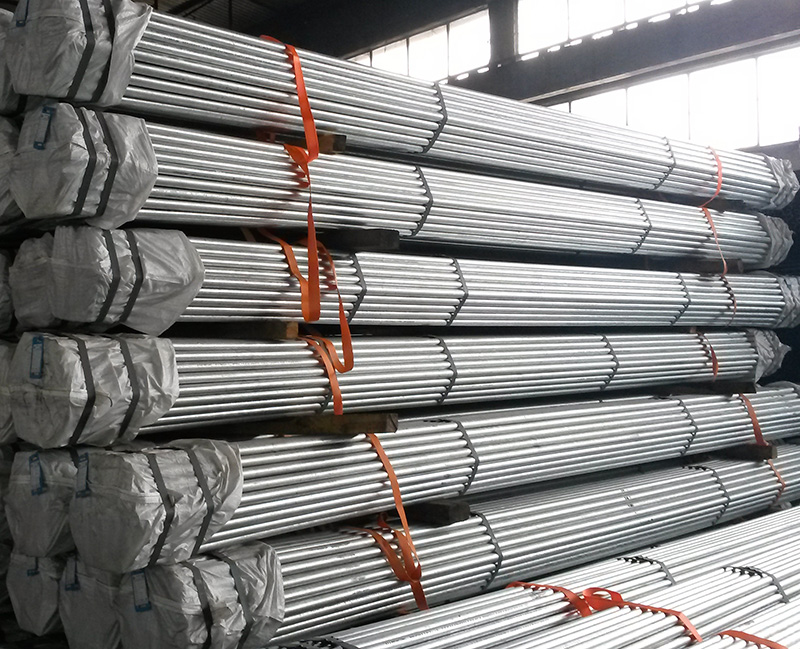
Before installation begins, the worksite must be prepared to safely handle and store steel natural gas pipe. Pipes should be placed on supports or racks to prevent direct contact with the ground, standing water or sharp objects that could damage coatings. Lifting and moving operations must follow safe working practices, using slings or padded supports to avoid denting or bending the pipes.
Open pipe ends should be protected with caps to prevent dirt, moisture, stones or other foreign objects from entering. Contaminants inside a steel natural gas pipe can damage equipment such as regulators and burners, and may create local corrosion issues over time. Cleanliness at this stage protects the performance of the entire system.
Welding and Joining Techniques
Most medium and high-pressure steel natural gas pipe systems are assembled using welded joints. Welding must be performed by qualified welders following approved procedures that specify welding methods, filler materials, preheating requirements and inspection criteria. Poor weld quality can result in leaks, cracks or reduced strength, which directly compromises safety.
In some applications, threaded or flanged connections are used, especially for smaller diameters, equipment connections or sections that may require disassembly. These joints must be tightened with appropriate torque and sealed with suitable materials that are compatible with gas service. Over-tightening threaded joints can damage threads, while under-tightening can cause leaks; therefore, careful workmanship is essential.
Pipe Routing, Supports and Expansion
The Steel Natural Gas Pipe Installation Guide for Safe Gas Systems must also address pipe routing and support design. Steel natural gas pipe should be routed in a way that avoids unnecessary bends, sharp directional changes or conflicts with other services. Adequate space should be left for maintenance access, valve operation and future modifications.
Supports, hangers and anchors are necessary to carry the weight of the steel natural gas pipe and media, and to control thermal expansion. The spacing and type of supports depend on pipe size, wall thickness and environmental conditions. In long straight runs, expansion joints or flexible sections may be required to absorb thermal movements and prevent excessive stress on welds and supports.
Pressure Testing and Leak Checking
After installation, the entire steel natural gas pipe system must be tested before it is put into service. Typically, this involves a pressure test using air, inert gas or water at a defined test pressure and duration. The purpose is to verify the tightness and integrity of all joints, fittings and components under controlled conditions.
Leak detection is carried out using approved methods, such as soap solution or electronic detectors, especially at threaded and flanged joints. Any leakage discovered during testing must be repaired and retested until the system meets all requirements. Skipping or rushing the test phase greatly increases the risk of future failures and is never acceptable in safe gas systems.
Documentation, Labelling and Handover
Proper documentation is an integral part of a Steel Natural Gas Pipe Installation Guide for Safe Gas Systems. As-built drawings, material certificates, welding records and test reports should be compiled and handed over to the owner or operator. This documentation provides traceability and proves that the system was installed according to design and regulatory requirements.
Labelling the steel natural gas pipe routes, main valves and emergency shut-off points is equally important. Clear labels and signage support safe operation, maintenance and emergency response. When the installation is fully documented and properly labelled, operators can manage the system with greater confidence and efficiency.
Operation, Inspection and Maintenance
Installation is only the beginning of the life cycle of a steel natural gas pipe system. Regular inspections, preventive maintenance and periodic leak checks are required to keep the system safe over time. Visual inspection of supports, exposed sections and protective coatings helps detect early signs of corrosion or mechanical damage.
Valves and safety devices should be operated periodically to confirm that they function correctly. Any modification or extension of the steel natural gas pipe network must be designed, installed and tested with the same level of care as the original system. By following these principles, Steel Natural Gas Pipe Installation Guide for Safe Gas Systems becomes a living reference for long-term safe operation.